
Laser cutting has revolutionised the way industries create, shape, and finish products. From intricate jewellery designs to heavy-duty automotive components, it offers unmatched precision that traditional methods can’t match.
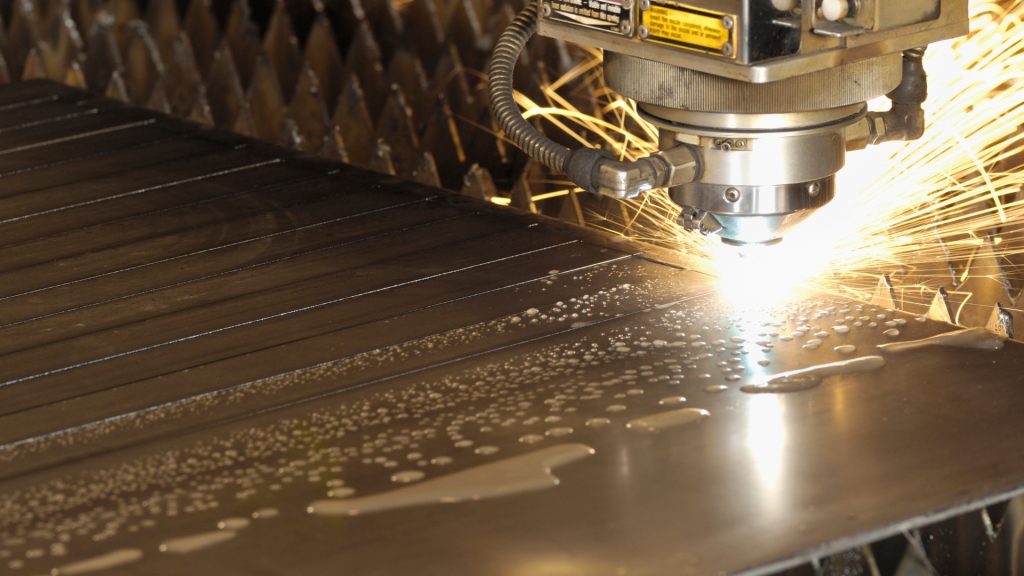
How Laser Cutting Works
A high-powered laser beam is focused onto a material, heating it so intensely that it melts, burns, or vaporises. This process is controlled by computer software to achieve micrometre-level precision.
Materials That Can Be Laser Cut
Steel, aluminium, titanium, plastics, wood, leather, even stone — laser cutting can handle an incredible variety of materials. The key is selecting the correct wavelength and power settings for each material’s unique properties.
Advantages Over Traditional Cutting Methods
- Precision: Perfectly smooth edges with no need for secondary finishing.
- Speed: Complex shapes cut in seconds.
- Versatility: Works on both delicate and heavy-duty projects.
- Consistency: Identical results every time, even in large production runs.
Industries Relying on Laser Cutting
From aerospace to signage, automotive manufacturing to fashion, laser cutting is a critical tool for both heavy industry and creative design. Its adaptability makes it one of the most valuable technologies in modern production.
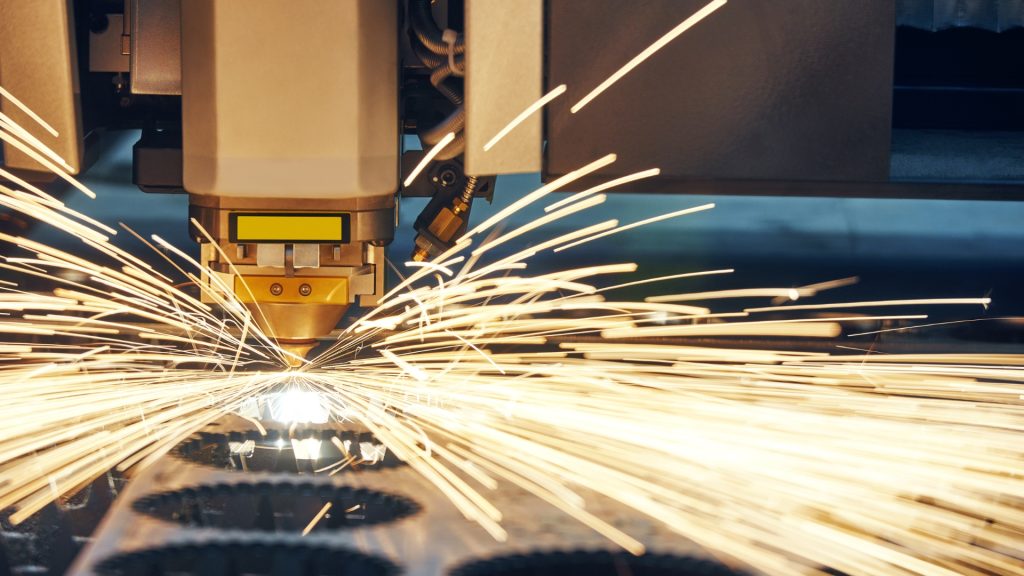
Closing Thought:
Laser cutting is not just a tool; it’s the bridge between imagination and reality. With the right expertise, there’s almost no shape, pattern, or detail that can’t be achieved.