
Laser cutting is a precise and versatile technology widely used in metalworking industries. It uses a concentrated beam of light to cut, shape, or engrave metal with extreme accuracy. Understanding how it works, its benefits, and its applications can help you make the most of laser cutting technology for both industrial and creative projects.
How Laser Cutting Works
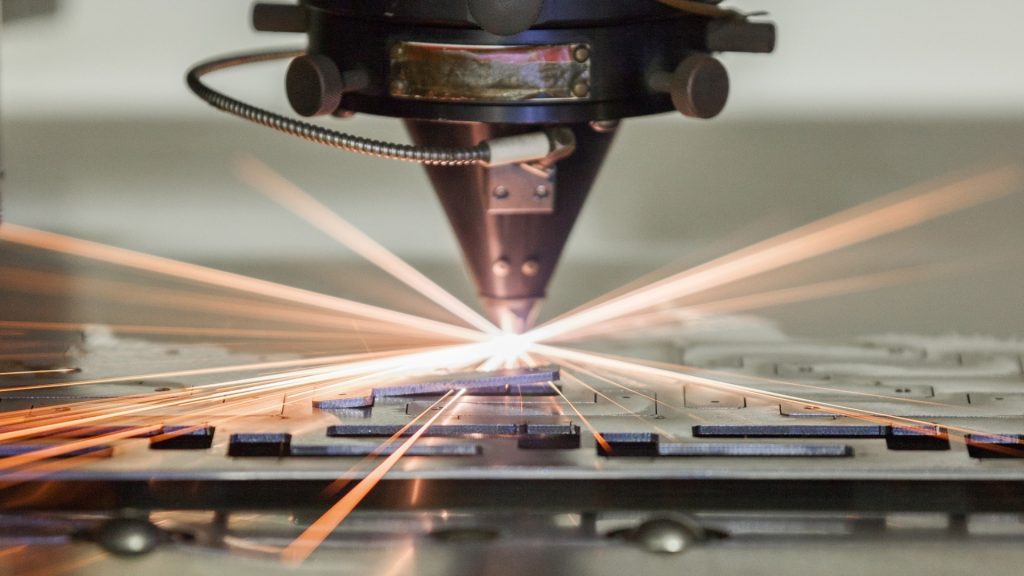
Laser cutting involves directing a high-powered laser beam onto a metal surface. The energy from the laser melts, burns, or vaporizes the material along a pre-determined path. A computer-controlled system ensures precision, allowing complex designs and detailed cuts that are difficult or impossible with traditional methods.
Types of Metals That Can Be Cut
Most metals can be laser cut, including stainless steel, mild steel, aluminum, copper, brass, and titanium. Each material reacts differently to the laser beam, so cutting parameters such as speed, power, and gas type must be adjusted accordingly. Proper preparation ensures smooth edges, accurate dimensions, and minimal material waste.
Benefits of Laser Cutting
Laser cutting offers several advantages over traditional cutting methods. It is highly accurate, allowing intricate designs and detailed patterns. It produces clean edges with minimal finishing required. The process is faster and more efficient, reducing labor and material costs. Additionally, it is versatile, suitable for small-scale custom projects or large industrial production.
Applications of Laser Cutting in Metal
Laser cutting is widely used in industries such as automotive, aerospace, construction, and manufacturing. It is ideal for producing precision parts, metal signage, decorative panels, and industrial components. Creative applications include custom furniture, art pieces, and jewelry, where accuracy and detail are essential.
Factors to Consider When Laser Cutting Metal
Several factors affect the quality of laser cutting, including material thickness, type of metal, laser power, and the cutting environment. Using the correct settings and ensuring proper ventilation are important for safety and optimal results. Additionally, understanding the limitations of laser cutting helps in selecting suitable projects and designs.
Maintenance and Safety Tips
Maintaining laser cutting equipment is crucial for consistent performance. Regular cleaning of lenses, mirrors, and the cutting bed ensures precision. Operators should follow safety guidelines, including wearing protective eyewear, ensuring proper ventilation, and handling materials carefully to avoid accidents.
Future Trends in Metal Laser Cutting
Laser cutting technology continues to evolve, with advancements in automation, speed, and precision. New developments allow even thicker metals to be cut with ease and greater energy efficiency. Integrating laser cutting with computer-aided design (CAD) software makes it easier to produce complex designs and streamline production workflows.
Conclusion
Laser cutting is a powerful, precise, and versatile method for working with metal. Whether used for industrial production or creative projects, it offers unmatched accuracy, efficiency, and design possibilities. Understanding how it works, the types of metals suitable for cutting, and best practices ensures successful results every time.