Laser Cutting Services in Kempton Park: What Local Manufacturers Need to Know
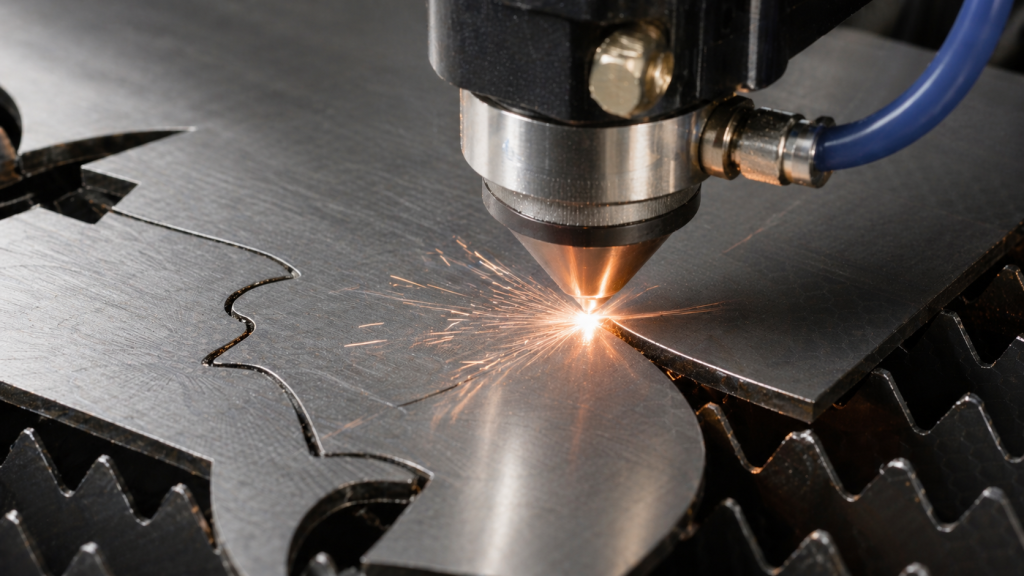
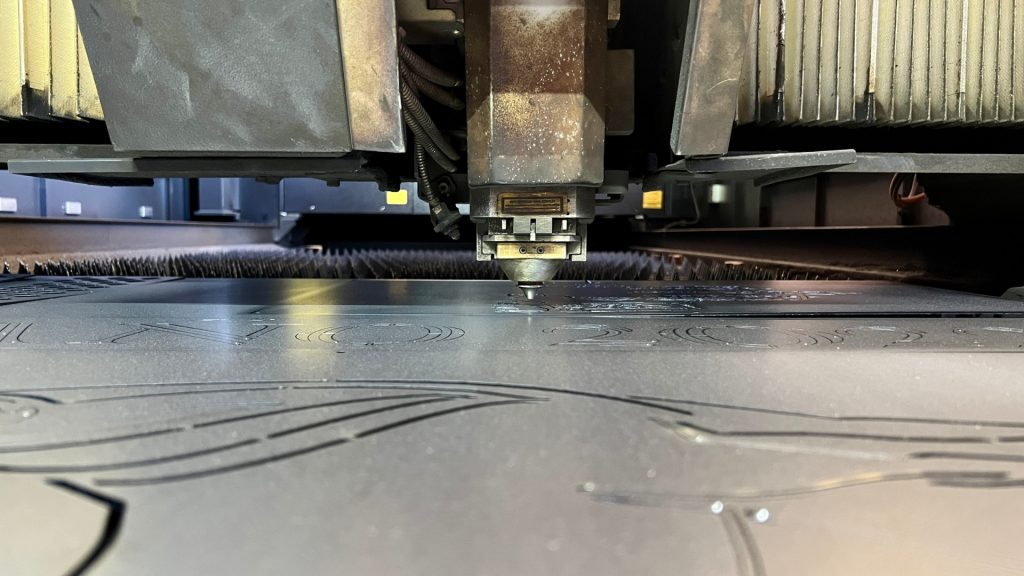
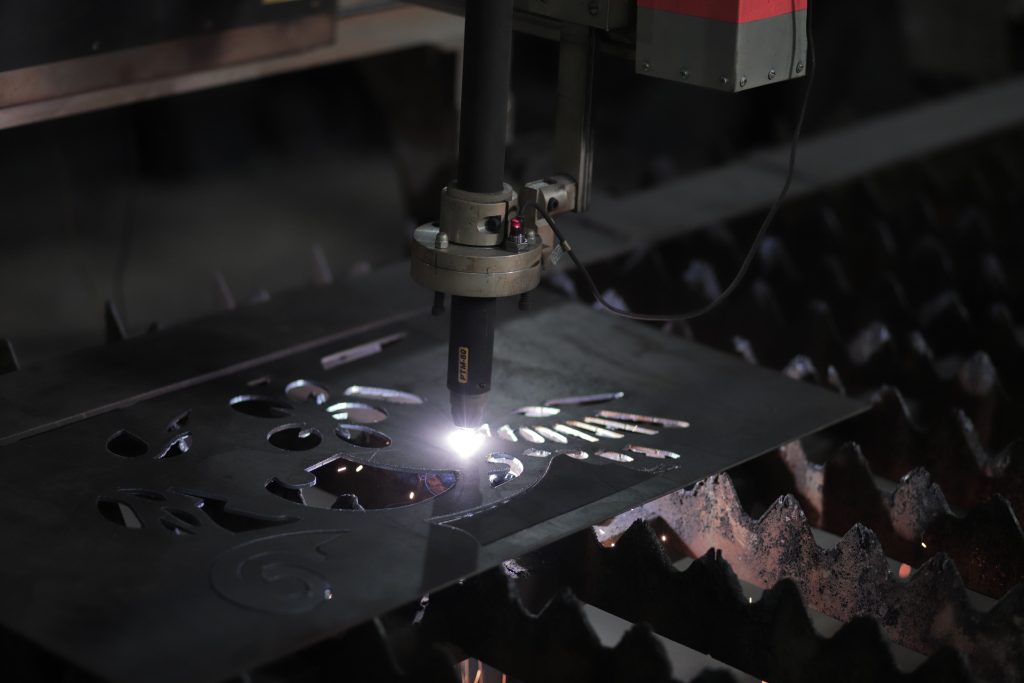
Manufacturers, fabricators and engineering firms across Kempton Park and the wider Gauteng region are under constant pressure to deliver parts faster without sacrificing accuracy. Whether the job involves mild steel brackets, stainless tube or custom signage, the choice of a laser cutting partner can make or break a production timeline. This guide looks at what laser cutting services actually involve, why location matters for businesses based in Ekurhuleni, and how to choose a supplier that keeps your project on schedule. Why Laser Cutting Has Become the Standard Choice Laser cutting uses a concentrated beam of light to slice through metal sheet and tube with a level of precision that older methods such as plasma cutting or manual sawing simply cannot match. The process is guided by digital files, usually DXF format, which means tolerances stay consistent from the first part to the last. For Gauteng businesses supplying mining, construction, automotive and architectural sectors, that consistency translates directly into fewer rejects and less rework on site. The technology also suits both prototype runs and high volume batches. A single design can be nested alongside other parts on the same sheet, reducing material waste and keeping costs predictable. According to the South African Bureau of Standards, manufacturers working to recognised quality frameworks are better placed to meet client specifications consistently, which is one reason laser cutting has overtaken older fabrication methods in many Gauteng workshops. Why Location in Kempton Park Matters Kempton Park sits close to OR Tambo International Airport and several of the region’s busiest industrial corridors, including Isando, Pomona and Spartan. For companies sourcing custom cut parts, working with a supplier based in this area shortens delivery routes into Johannesburg, Ekurhuleni and Pretoria, and reduces the risk of delays that come with cross province freight. A local supplier also tends to understand the pace of Gauteng manufacturing, where production lines rarely stop and a missed delivery window can hold up an entire project. 1Laser operates from Tungsten Road in Isando, Kempton Park, placing the workshop within easy reach of most Gauteng industrial nodes. You can view the full range of cutting and fabrication services offered, from tube and plate laser cutting through to precision bending, laser marking and CAD design work. What to Look for in a Laser Cutting Supplier Not every supplier offering laser cutting in Gauteng operates at the same standard. A few factors are worth checking before committing to a quote. Turnaround time is often the deciding factor for businesses working against client deadlines. Ask how long a typical order takes from file submission to delivery, and whether that timeline holds during busy periods. Material capability matters too, since not every workshop can handle the same thickness range or grade of steel. Confirm that your supplier can cut the specific gauge and material your project calls for before sending through a design. Quoting process is another area where suppliers differ. A straightforward system where you upload a DXF file and receive an all inclusive quote saves time compared to back and forth email chains. It is also worth asking whether the supplier accommodates customer supplied material, since this can reduce costs on larger orders. Finally, consider whether the business offers more than cutting alone. Many Gauteng projects need bending, marking or design support in addition to the initial cut, and working with a single supplier for these combined services tends to reduce errors that creep in when parts move between different workshops. Common Applications Across Gauteng Industries Laser cut components appear across a wide range of sectors in the province. Construction and architectural firms use precision cut brackets, panels and decorative screens. Automotive workshops rely on laser cutting for custom brackets and jigs. Signage companies use the same technology for laser marking and engraving on branded products. Mining and industrial operations often need replacement parts cut to exact original specifications, particularly when a part is no longer available off the shelf. For businesses exploring whether laser cutting suits their next project, it helps to read more on industry best practice through resources such as the Southern African Institute of Steel Construction, which publishes guidance on structural steel fabrication standards relevant to the wider metalwork sector. Getting a Quote That Matches Your Timeline The fastest way to keep a project moving is to work with a supplier that reviews files quickly and communicates clearly about lead times. 1Laser reviews submitted designs and nests parts for cutting within one to two working days, with most orders delivered the next day and a maximum lead time of three working days. If you already have a DXF file ready, you can submit it directly through the quote request form and receive pricing without delay. For businesses still finalising a design, the CAD and design service can convert rough sketches or measurements into a cutting ready file, removing one more step from the process. Final Thoughts Choosing a laser cutting partner in Kempton Park comes down to three things: accuracy, turnaround and proximity to your site. Businesses across Gauteng that prioritise these factors tend to spend less time managing delays and more time getting finished parts into production. To learn more about the company behind these services, visit the About Us page, or browse further industry insights on the 1Laser blog.